
As stable and lucrative as a career in accounting can be, “accountant” is far from the sexiest of career paths.
As the world evolves in the face of economic uncertainty, it’s more important than ever to know what your options are — whether you will be entering the workforce in the next few years or are looking for a career shift.
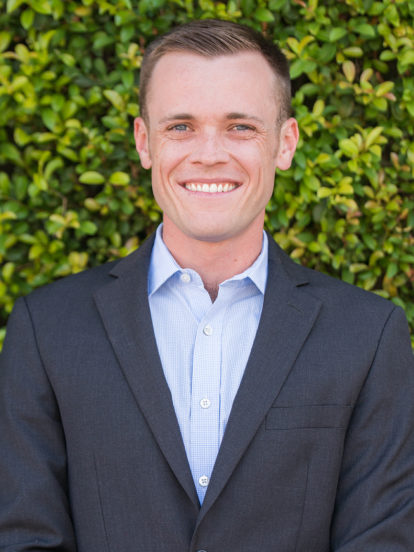
To get a better sense of how the accounting world is evolving and what trends she’s seeing, I spoke with Certified Public Accountant (CPA), Liz Farr. Liz has a unique perspective on accounting: After spending 15 years in public accounting, she writes full-time about accounting, and even helped me with my book. She keeps her finger firmly on the pulse of the future of accounting.
“This is the most exciting time to be entering the accounting field,” said Liz. “Today’s technology means that the boring stuff we had to spend endless hours doing can now be done by automation and AI. Accountants are doing more than just entering journal entries and maintaining Chart of Accounts. They’re changing lives by helping people grow their businesses and achieve financial goals. Even in the traditional areas of tax, audit, and bookkeeping, accountants today are providing more strategic services for their clients.”
I have to agree that accounting is getting more exciting all the time from working with some of the most amazing controllers and CFOs around. So let’s take a look at some of the options beyond the stereotypical tax and auditing.
Business Valuation
Putting a numerical value on a business is both an art and a science, according to Liz, who also held the credential of Certified Valuation Analyst (CVA) while she still worked in public practice.
“You start with the actual performance of a company, compare it to industry benchmarks, then you consider all the unique factors about that company: Its owners and management to come up with an estimate of its fair market value,” Liz explained. “It’s a great way to really understand what makes a business tick.”
Forensic Accounting
If you like putting together puzzles or solving mysteries, forensic accounting could be for you.
“This can be searching for hidden assets in a divorce, exposing unreported taxable income, or finding corporate fraud,” said Liz.
Forensic accountants also work for the FBI, the IRS and other governmental agencies.
“Years ago, I took a forensic accounting class taught by two retired IRS Criminal Investigation agents,” she recalled. “They told us war stories of raiding the houses of drug dealers and finding stashes of cash hidden all over, or catching people who had lifestyles way beyond the capacity of their reported income. I even interviewed for a job with one of them, but was glad I didn’t get the job: The position would have required me to carry a gun.”
Corporate Accounting
Like the rest of accounting, automation, AI, RPA, and blockchain are bringing big changes to the work of corporate accountants. Working on the corporate side can be anything from working in the accounting department, or in financial planning and analysis (FP&A), or moving up to controller or CFO.
“These people get a front-row seat to the operations of the businesses shaping our world,” said Liz. “As the world moves faster, all of these people are taking on responsibilities that used to be the purview of those higher up the command chain.”
Additionally, Liz suggests listening to the CFO Thought Leader Podcast.
“Until I started listening to this regularly, I really had no idea how exciting and impactful this work could be.”
Family Office
Wealthy families and individuals often need help to manage their personal finances and keep all their business operations organized.
“This can be an opportunity to work personally with your favorite athlete, a celebrity, or a successful local businessperson,” Liz said. “These people often serve as liaison to the family’s tax accountant, so through a family office accountant, I did the tax returns for a very well-known novelist and the heir to a big movie house fortune.”
These are just a few of the many, many options available for accountants. One of the best things about being an accountant in today’s all-remote world is that location is less of an issue than it used to be.
How to Get Started
An accounting degree is the foundation for any of these careers — just ask me: I started a software company after a career in audit and accounting.
“Depending on what kind of work you want to do, earning a professional credential or two can give you a competitive edge, especially if you want to specialize in forensic accounting or business valuation,” Liz said.
While the CPA is still universally recognized, the licensing process is undergoing a shift to make it more relevant to today’s world. If the corporate side holds more allure, becoming a Certified Management Accountant (CMA) might make more sense.
“Don’t be afraid to try something outside your comfort zone,” Liz recommends. “Even if you change your mind, you’ll still have experience that will make you more valuable and better as an accountant.”